
April 18 – The Day the World Connects Without Borders
Every year on April 18, millions of people around the world tune in their transceivers to celebrate World Amateur Radio Day. This is not just a date on the calendar, but the anniversary of the founding of the International Amateur Radio Union (IARU) in Paris in 1925.
Today, with over 3,000,000 licensed operators worldwide, amateur radio is more vibrant than ever. The theme for 2026 – “Developing the Spirit of Amateur Radio through Innovation” – reminds us that we are not just consumers of technology, but creators of it.
Success Story: From Paris to the World
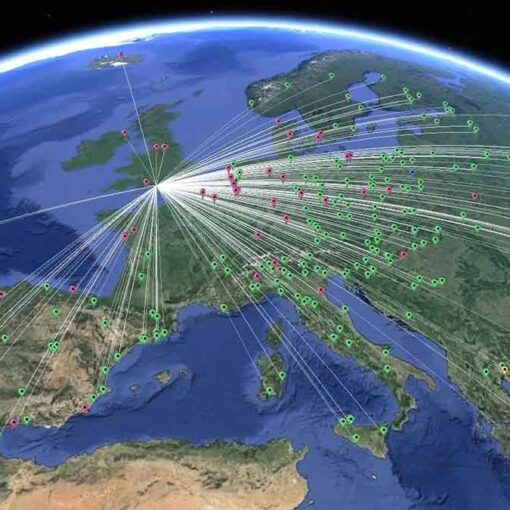
A century ago, skeptics believed that the shortwave spectrum was useless. However, pioneering amateur radio operators proved otherwise by discovering long-distance propagation. It was to protect these discoveries and preserve frequencies for the community that representatives from 25 countries founded the IARU. Today, the organization includes 160 countries in three regions, with Bulgaria being a proud part of Region 1.
The Bulgarian Footprint on the Air
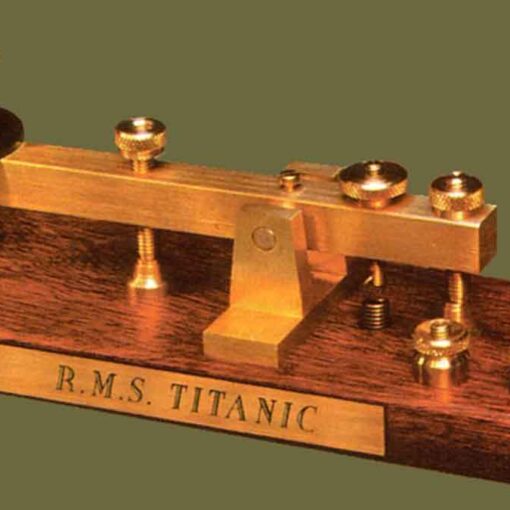
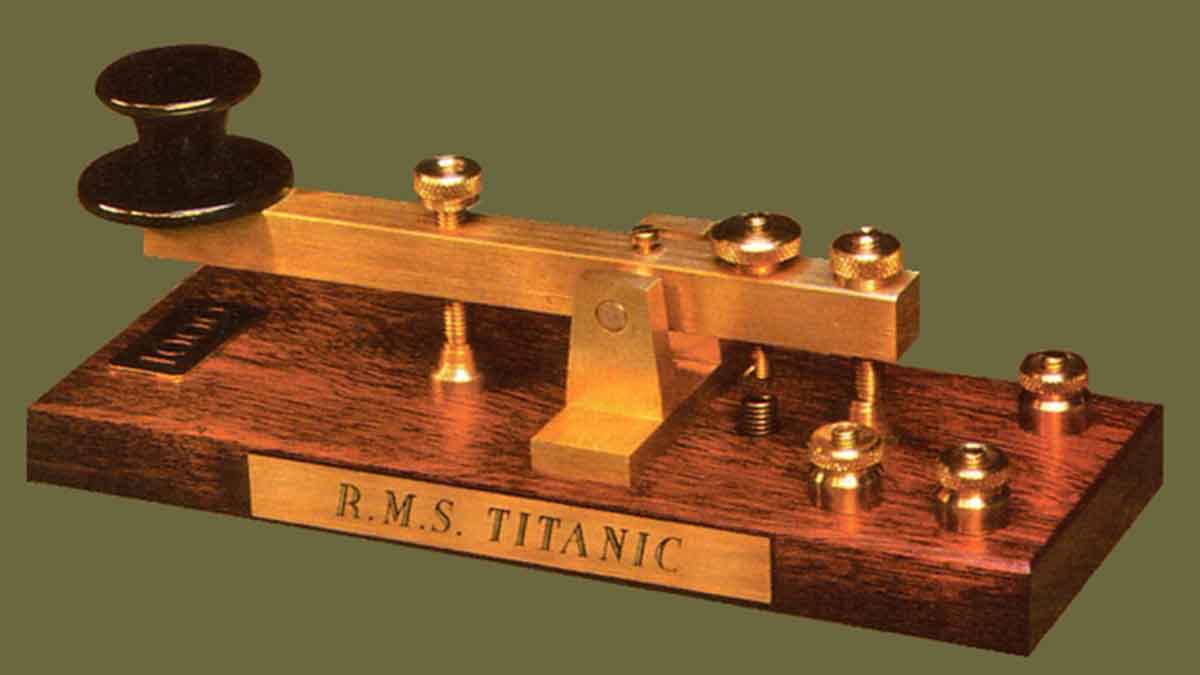
Bulgarian radio amateurs have a long and distinguished history. From the first experimental signals in the 1930s to today’s high-tech DX expeditions and contest achievements, LZ operators have always been among the most active and technically prepared in Europe. The Bulgarian Federation of Radio Amateurs (BFRA) continues to maintain this spirit, uniting generations of enthusiasts who both preserve the traditions of Morse code (CW) and master the latest digital modes.
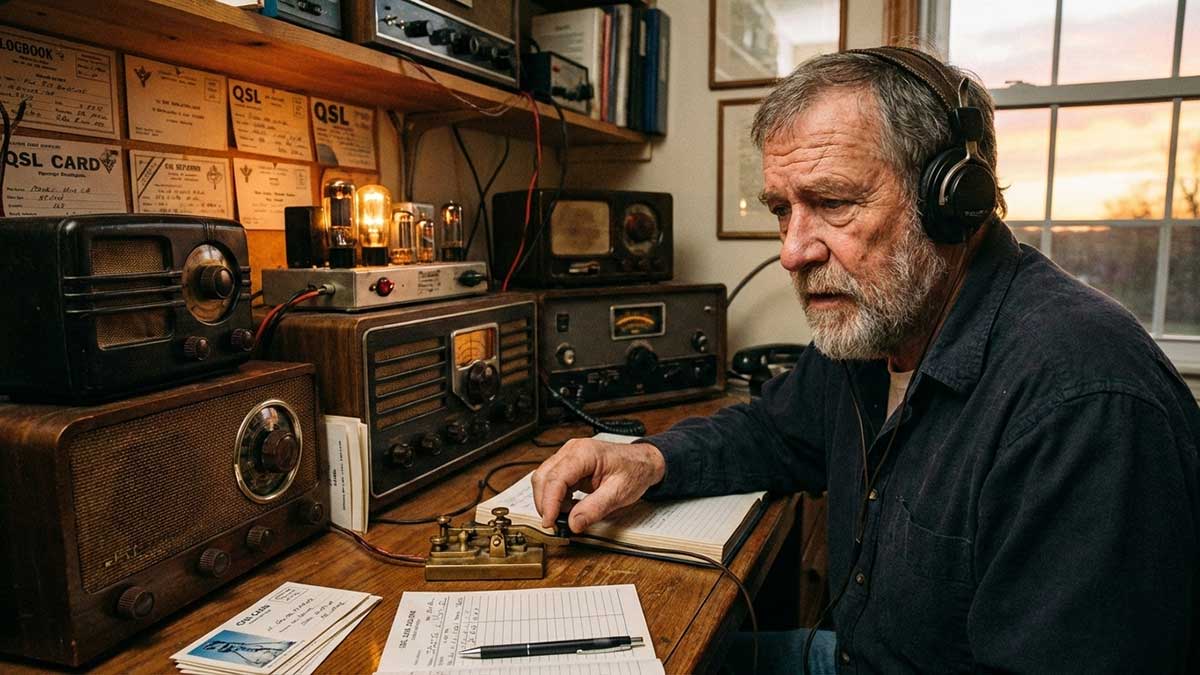
Innovations Born in the Ham Radio Den (Ham Radio Shack)
Few people know that many of the modern technologies we take for granted have their roots in amateur experiments:
- Mobile Communications and Cellular Networks: Early developments in the field of VHF/UHF repeaters laid the foundations of modern mobile telephony.
- Satellite Technologies: Amateur radio operators were among the first to design and launch small satellites (OSCAR) into orbit, demonstrating the capabilities of low-orbit communications.
- Digital Modes and Practical Applications: Amateur radio operators not only create protocols, but also successfully implement them in critical situations. A striking example from Bulgarian amateur radio history is the work of Toni (LZ3AI) and Vasil (LZ3WW). During the mission of the Bulgarian contingent in Cambodia, when official reports were transmitted slowly via telegraphy (CW), LZ3AI and LZ3WW demonstrated the power of Packet Radio on HF. They established a Sofia-Cambodia service link, where reports that previously took over half an hour were transmitted in a matter of minutes. This case clearly demonstrated to military authorities the advantages of amateur radio digital technologies for fast and reliable data exchange.
- The revolution in weak signals: Protocols such as FT8, developed by Nobel laureate Joe Taylor (K1JT), have revolutionized communication by allowing communication at extremely low signal levels (below the noise floor) – an innovation that finds application even in deep space.
- The next step: FT2. Today, in the spirit of the IARU theme for 2026, the amateur radio community is once again at the forefront of innovation with the experimental FT2 mode. Although not yet officially adopted as a standard, FT2 promises even better efficiency and resilience, proving that the search for better communication solutions on the air never stops.
Why is amateur radio important today?
In a world dependent on the internet and infrastructure, amateur radio remains the only community capable of establishing communication in global emergencies when all else fails. We are the „last line of defense“ and at the same time a laboratory for future engineers.
The story of LZ3AI and LZ3WW is proof that amateur radio is not just a hobby, but a powerful tool for innovation and practical help when it is most needed. Today, with modes like FT8 and experiments with FT2, we continue to pave the way for future communications.
Happy holiday, colleagues! May the air be clear, and the connections – far! 73!
Bibliography and sources:
- International Amateur Radio Union (IARU). (2025). World Amateur Radio Day 2026 Theme: Sustaining the Amateur Radio Spirit through Innovation. Source: www.iaru.org
- International Telecommunication Union (ITU). Amateur Service Regulations and History.
- Danev, P. (LZ1US), Radio Amateurism in Bulgaria. History, facts, memories, Sofia, 1998.
- Silver, H.W. (2023). The ARRL Handbook for Radio Communications. American Radio Relay League.