The Amateur Radio Logbook: A Chronicle of Your On-Air Journey
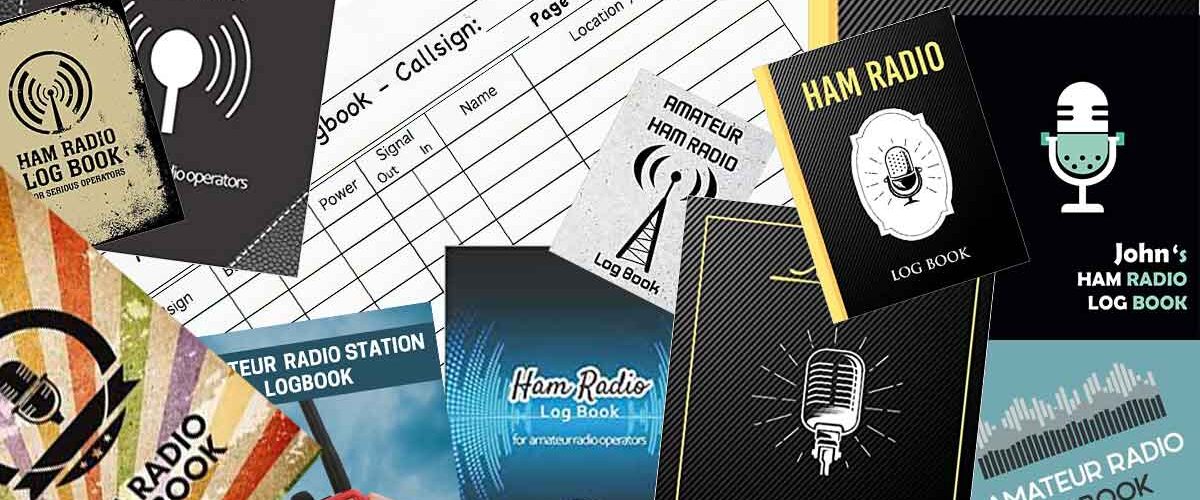
Maintaining a station **Logbook** is a fundamental practice in the amateur radio service. Today, most operators rely on specialized logging software, while others still cherish the tangible feel of a paper ledger. Whichever method you choose, your logbook serves as both a technical record and a personal history of your radio experience.
1. Standard Logbook Structure and Required Fields
While the visual layout of a logbook can be customized to individual preferences, regulations specify core data fields required for every QSO entry:
| Date | Time (UTC) | Callsign | Band / Freq | Mode | RST (Sent / Recv) | QSL Status | Remarks / Notes |
|---|---|---|---|---|---|---|---|
| 2023-10-15 | 14:25 | W1AW | 14.205 MHz | SSB | 59 / 59 | Sent / LoTW | Name: Bob, ARRL HQ station |

2. Transforming Your Logbook into a Personal Journal
Whether using software logger suites (exporting ADIF files for LoTW, QRZ.com, or eQSL) or a classic paper notebook, aim to make your logbook informative and rewarding to look back on:
- Record Technical Setup Data: Note transceiver power levels (QRP/QRO), homebrew modifications, or specific antenna configurations used during the contact.
- Document Band Conditions: Keep track of ionospheric solar indices, specific propagation paths (Long Path / Short Path), or unusual noise levels.
- Preserve Personal Memories: Log operator names, interesting discussion topics, and unique contact circumstances. Years later, these detailed notes will evoke fond memories of your operating milestones.
Golden Rule: Always log time entries in **Coordinated Universal Time (UTC)** rather than local time. Universal time synchronization prevents discrepancies when confirming contacts with foreign stations worldwide.