High-Speed CW Operation
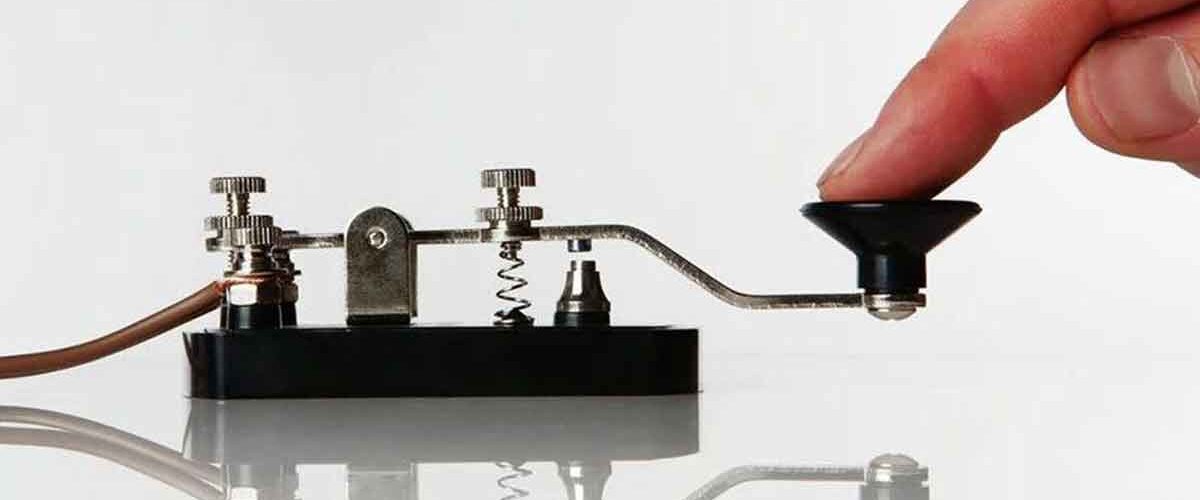
CW (Morse Code) remains one of the most efficient and rewarding modes in amateur radio. Is your current code speed holding you back from making smooth QSOs or competing in contests?
Increasing your CW speed requires shifting how your brain processes sound patterns. Here are key principles and proven methods to elevate your Morse code speed:
Key Rules for Speed Building
1. Train at the Edge of Your Ability
To increase your receiving speed, you must consistently practice at a speed slightly above your comfort zone—where you are challenged, but still able to copy parts of the text (similar to the algorithm used by RUFZ software).
2. Evolution of Copying Techniques (WPM Thresholds)
- Up to 15 WPM (words per minute): You can copy and write down the CW text letter-by-letter on paper or keyboard.
- From 15 to 20 WPM: Your brain must transition from recognizing individual letters to recognizing whole sound patterns and common words. At this speed, record only essential info (Name, QTH, WX, Power, Antenna, Contest Exchange).
- Above 20-25 WPM: Writing down every letter becomes physically limiting. Transition toward „Head Copying“ or typing directly into a contest logging program (N1MM, Log4OM, etc.).
3. The Farnsworth Method
If you are pushing past beginner speeds, use the Farnsworth method—send individual characters at a high speed (e.g., 20 WPM), but lengthen the space between characters. This conditions your brain to recognize the natural sound rhythm of characters rather than counting dits and dahs.
4. Practice Head Copying
Put down the pen and step away from the keyboard. Listen to real HF QSOs or audio files and practice visualizing or understanding words in your head, just like comprehending spoken language.
5. Short, Consistent Practice Sessions
Practicing for 15–20 minutes daily is vastly more effective than a single 2-hour session per week. Mental fatigue reduces accuracy, making short, focused daily drills ideal.
Recommended Software & Tools
- RufzXP: Excellent software designed specifically for high-speed callsign recognition with dynamic speed adaptation.
- LCWO (Learn CW Online): A popular free web platform featuring exercises, tests, and detailed progress tracking.
- Morse Runner: An HF contest simulator that trains your ear to copy signals amidst pileups, QRM (interference), QSB (fading), and QRN (static).