Use of “?” instead of “QRL” Before using an apparently free frequency, you should check to see if anyone is here (perhaps you can’t hear one of the correspondents in the QSO because of the walkthrough). The normal procedure is: transmit “QRL?” (on CW) or ask “is this frequency in […]
HAM
44 posts
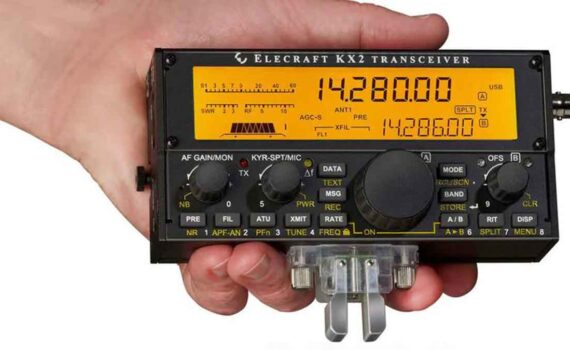
A QRP station is a station transmitting a maximum power of 5 W (CW) or 10 W (SSB). Some operators consider QRP operation to be “aerobatics”, especially below 1 W. Don’t spoil their fun. If you are operating at low power, do not transmit your initial as “LZ2ZZZ/QRP”, this is […]
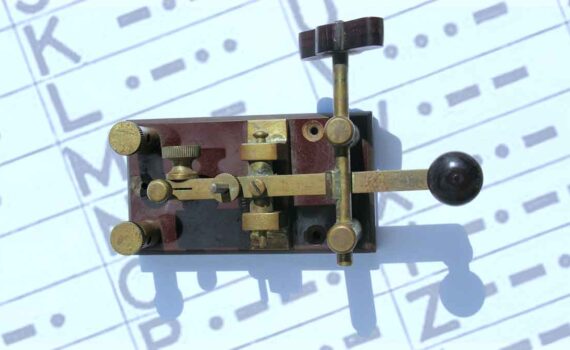
Some call it “BT” because it sounds like the letters B and T rendered without a space (as “AR” is rendered without a space), but it’s the equal sign (=), also called the “delimiter ” of CW. DAH DIT DIT DIT DAH fills the pauses for a few seconds while […]
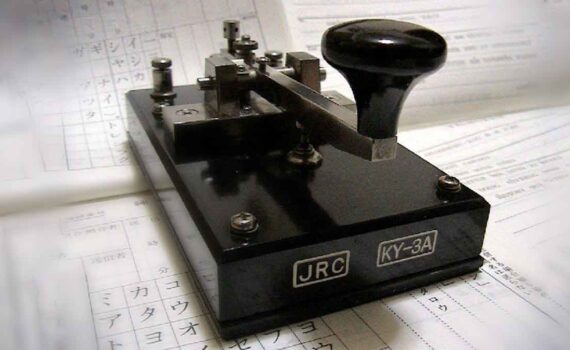
Let’s assume that W1ZZZ is calling CQ and you want to QSO with him. How do you do this? Do not transmit at a higher rate than the station you are calling. Do not transmit the initial of the station you are calling more than once; very often the initial […]
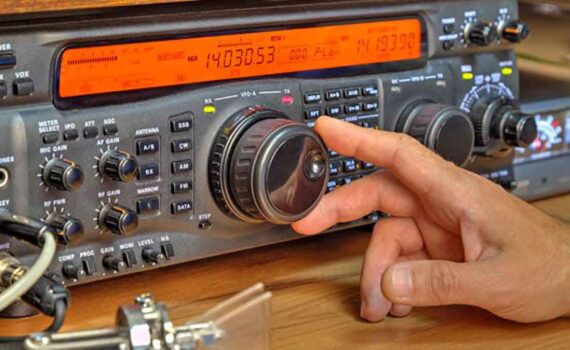

What should you do first? Decide which scope you will use. What range has good mileage for the road you want to cover? The monthly MIC (Maximum Usable Frequency) tables published in magazines and on many sites can help you in this regard. Check which parts of the range are […]
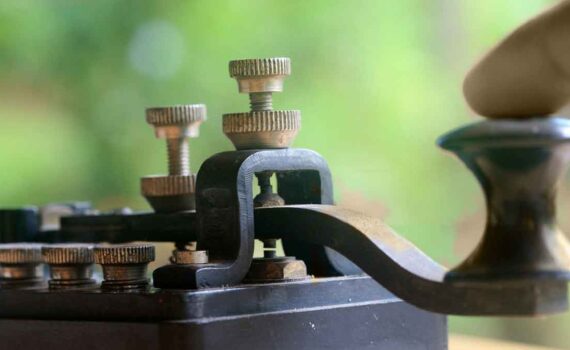
The Art of CW – Telegraphy, Morse Code, Morse Alphabet Morse code (Morse alphabet) is a code for transmitting text. The code is formed by a series of short and long audio tones. We pronounce the short tone as DIT, the long tone as DAH. Each TAA is three times […]

“QRZ” stands for “Who’s Calling Me?”, no more, no less. The classic use of “QRZ” is after CQ when you have failed to receive the initial(s) of the station(s) calling you. It doesn’t mean “Who’s here?”, nor does it mean “Who’s on the frequency?”, much less “Call me please”. If […]
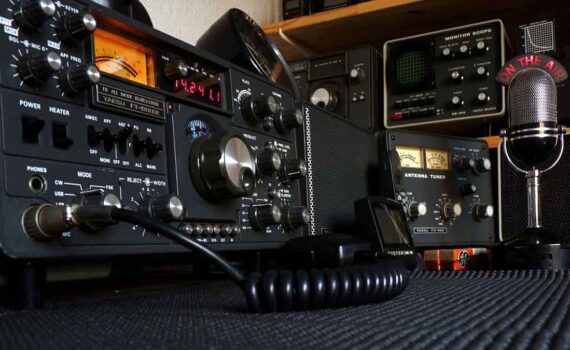
Let’s say you want to call DL1ZZZ with whom you have a sked (sked – pre-scheduled connection). Here’s how you should do it: “DL1ZZZ, DL1ZZZ here is LZ2ZZZ calling you for a sked and listening”. Or in short: “DL1ZZZ, DL1ZZZ here LZ2ZZZ, for sked and listen” If, despite your specific […]