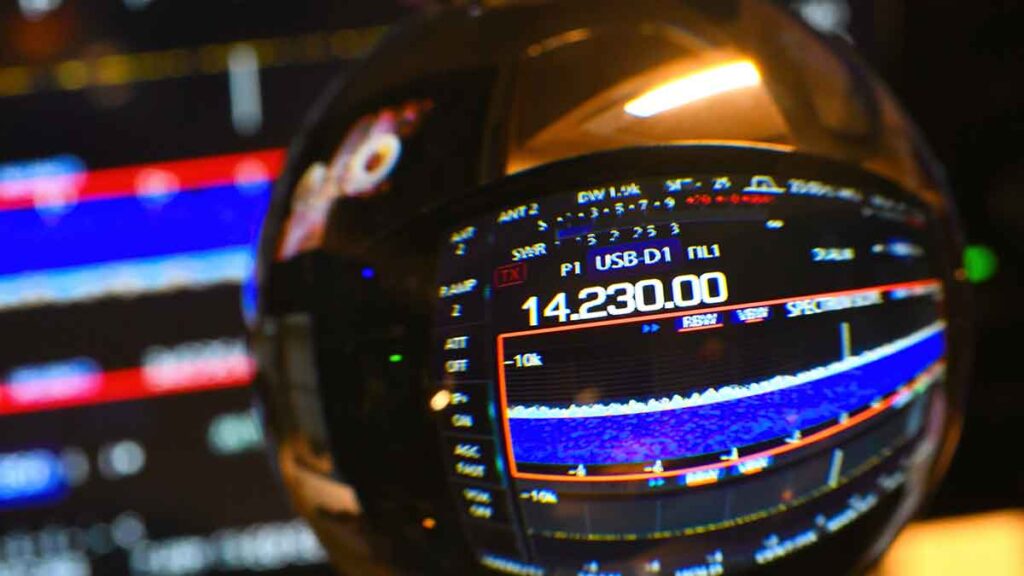
SSTV Operation
SSTV (Slow Scan Television) Operating Rules and Etiquette
Slow Scan Television (SSTV) allows radio amateurs to transmit and receive images over radio waves. To ensure orderly and courteous operation on the bands, operators must adhere to specific procedures and good amateur practice.
1. Content Guidelines for SSTV Images
Image transmissions must comply with amateur radio regulations. Transmit only hobby-related or completely neutral content:
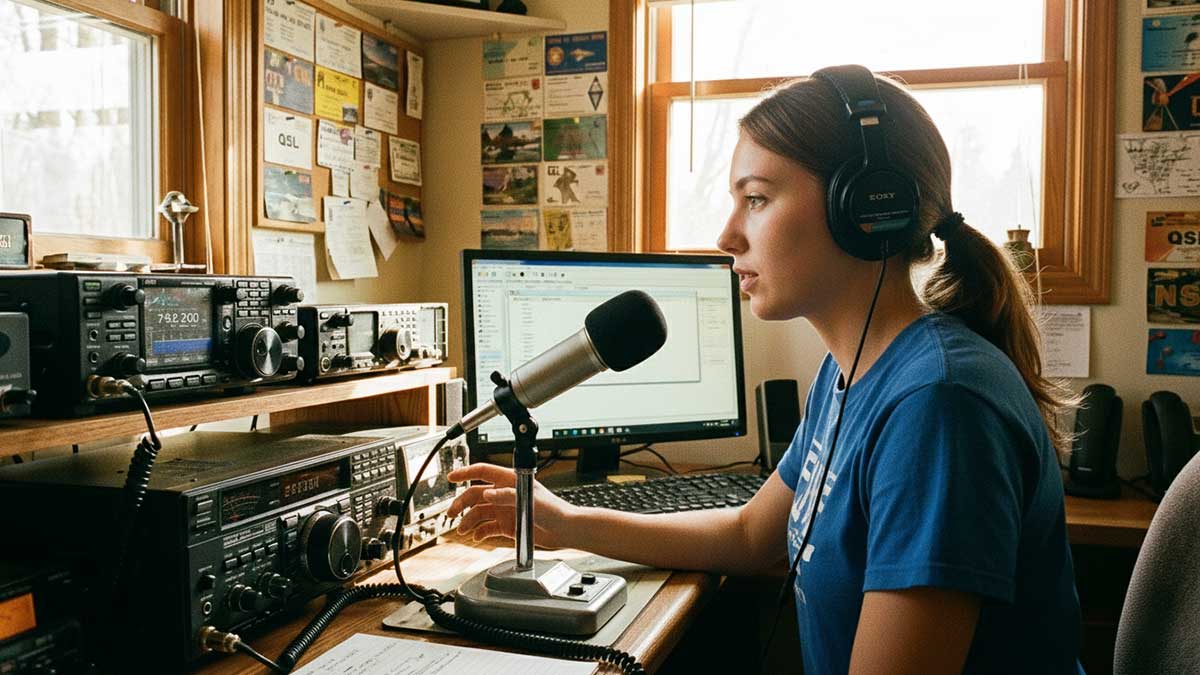
- Hobby-related: Test patterns, schematics, sketches, equipment photos, shack setups, operator portraits, and antenna arrays.
- Neutral topics: Landscapes, nature scenes, flowers, and QSL card graphics.
2. Getting Started: Preparation
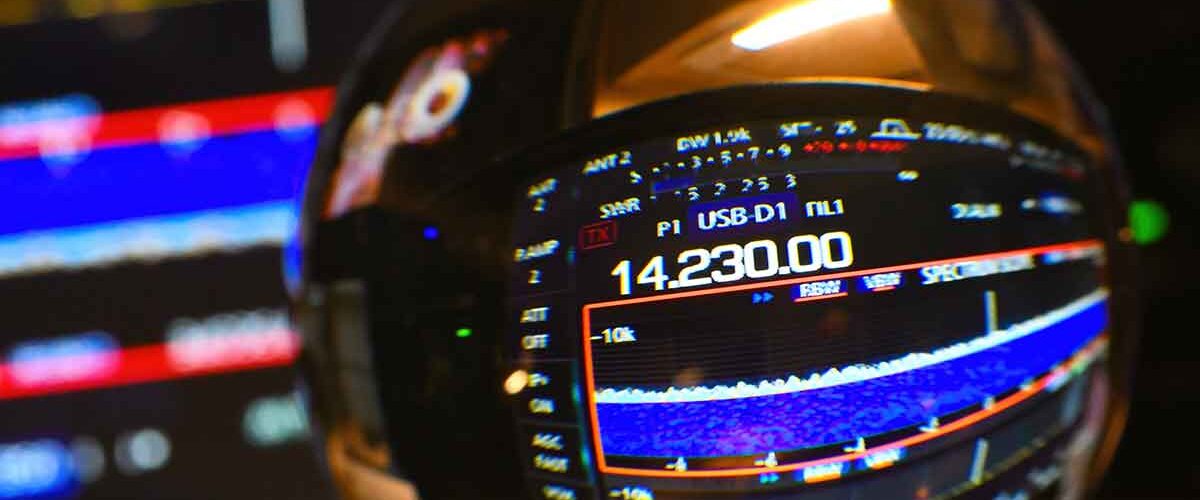
If you are new to SSTV, spend adequate time monitoring designated SSTV calling frequencies. Test your software setup strictly in receive (RX) mode first to familiarize yourself with signal levels, audio calibration, and image framing.
3. On-Air Operating Procedures
- Frequency Check: Always listen first. Ask several times if the frequency is in use (e.g., „Is this frequency in use?“) before transmitting.
- Voice CQ Announcement: It is good practice to initiate a voice call prior to sending an image (e.g., „CQ SSTV, this is…“).
- Announce the Mode: Always announce or transmit the proper SSTV mode/protocol (e.g., Martin 1, Scottie 1, Robot) prior to picture transmission.
- Callsign Identification: Include both your callsign and your contact’s callsign clearly visible on the image being sent.
- Image Clarity: Select high-contrast images. Any embedded text should use large, bold, and easily readable fonts.
4. Crucial „Don’ts“ for SSTV Operators
Core Ethics Summary:
- Do not break in with an image: Never interrupt an ongoing contact by transmitting a picture. Use brief voice breaks instead.
- No uninvited transmissions: Never transmit an image to another station without prior confirmation or request.
- Avoid slideshows: Do not stream multiple pictures back-to-back without reasonable pauses. SSTV is meant for two-way QSOs, not slide presentations. Always verify if the receiving station is ready.
Note on DX Operations: DX SSTV stations frequently operate using structured call lists on the frequency. Always wait for your callsign to be listed before sending your image.