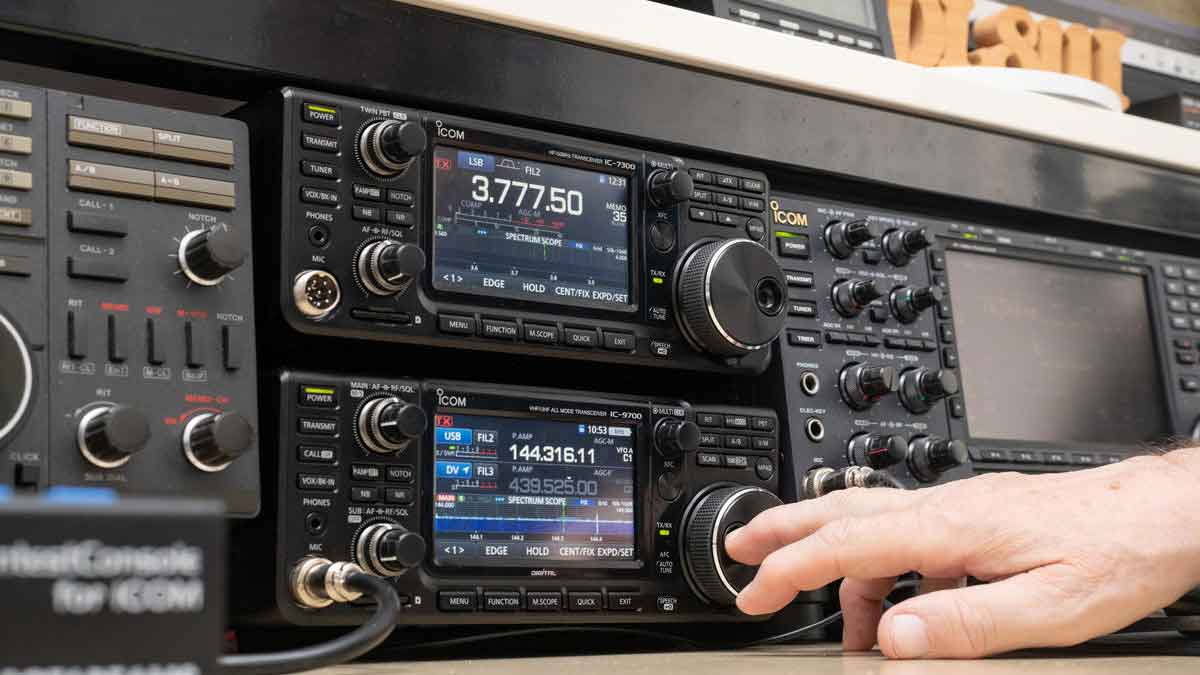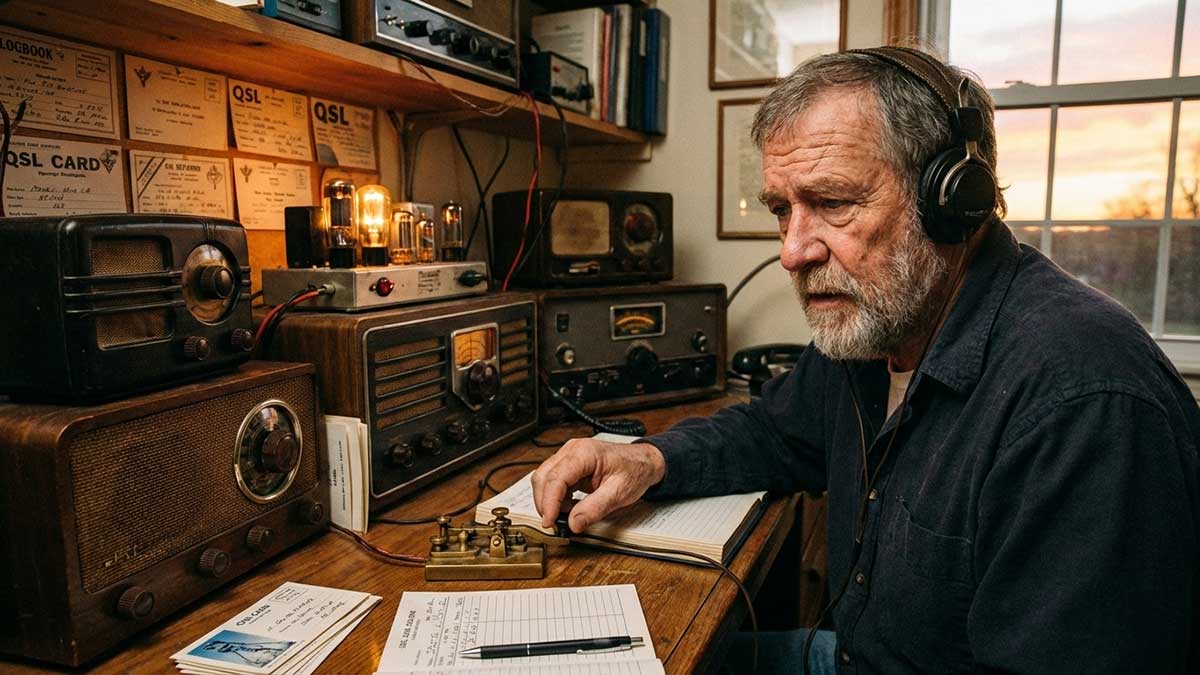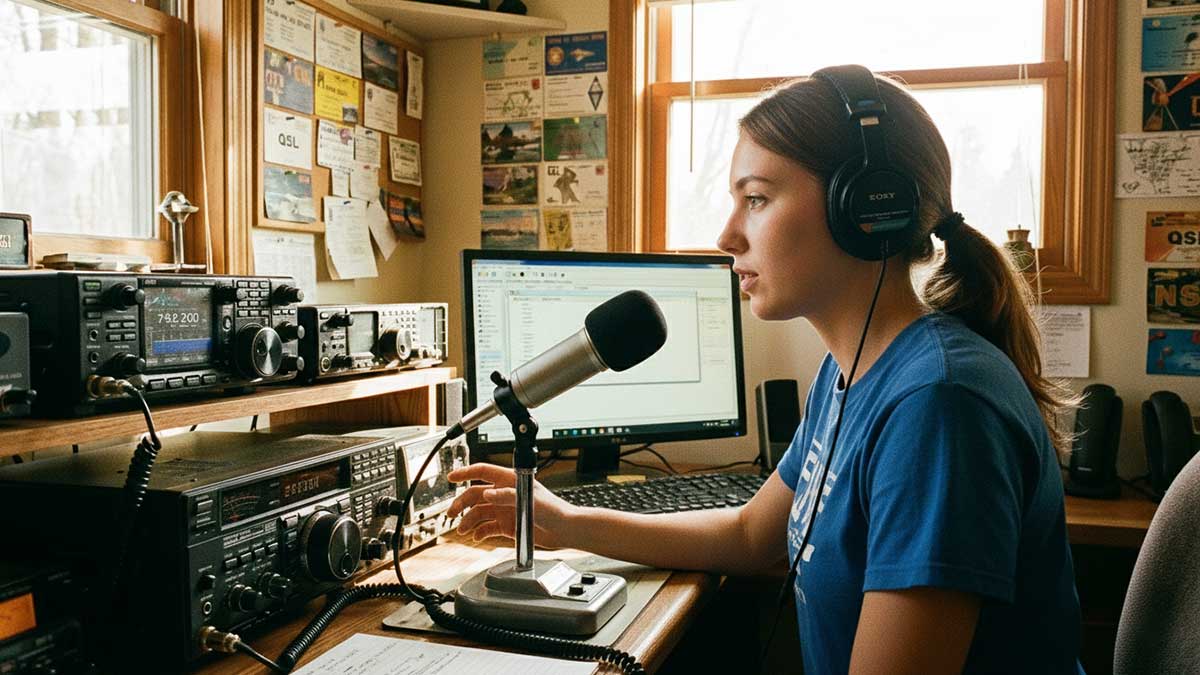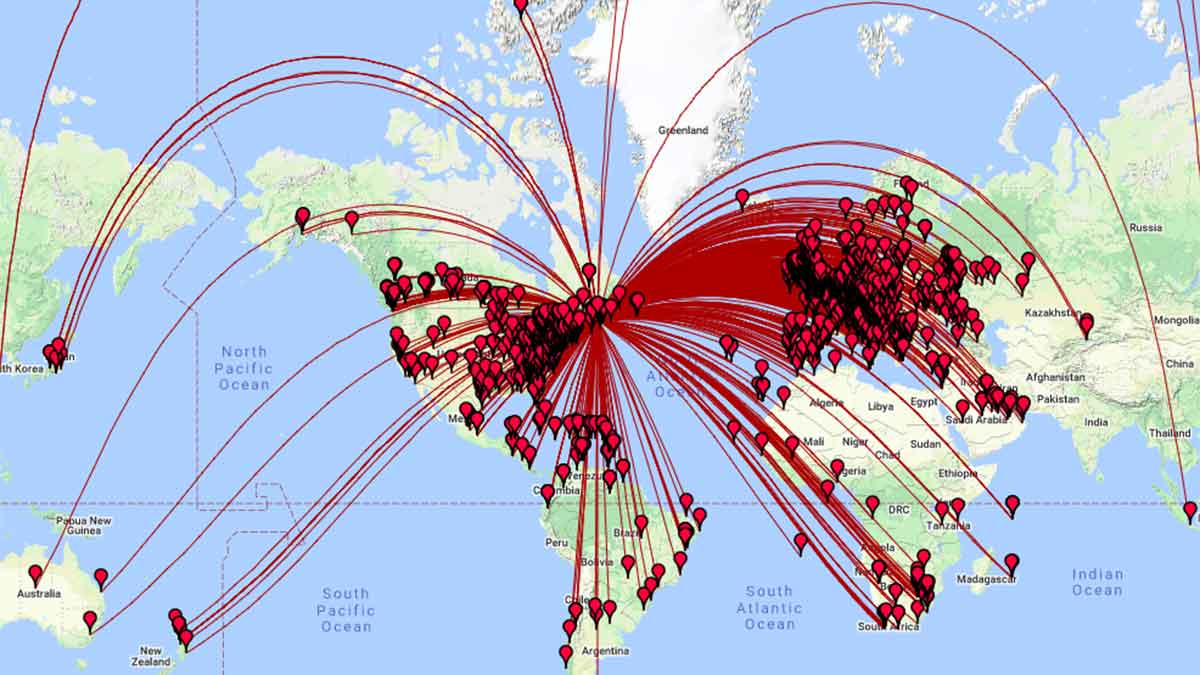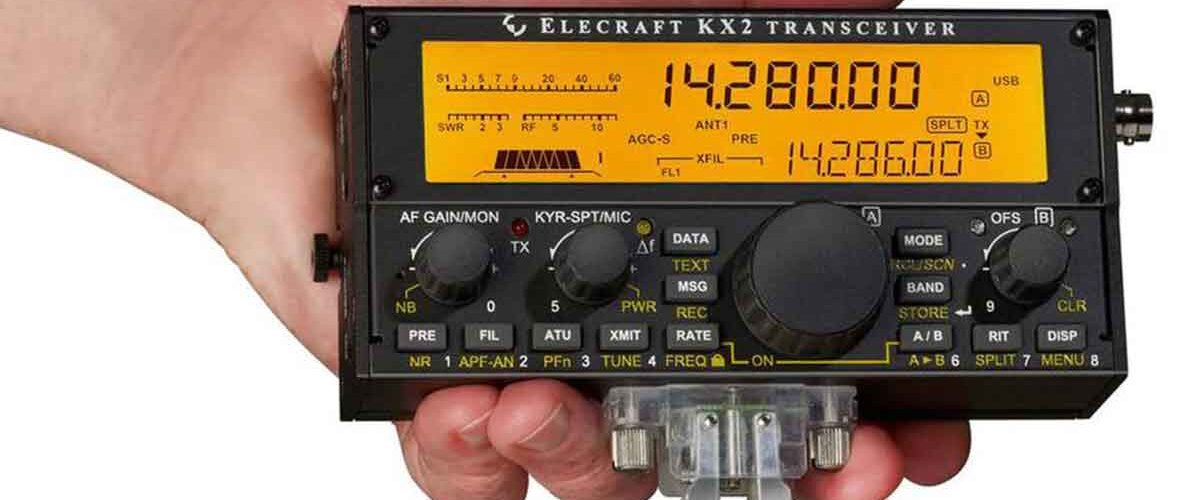
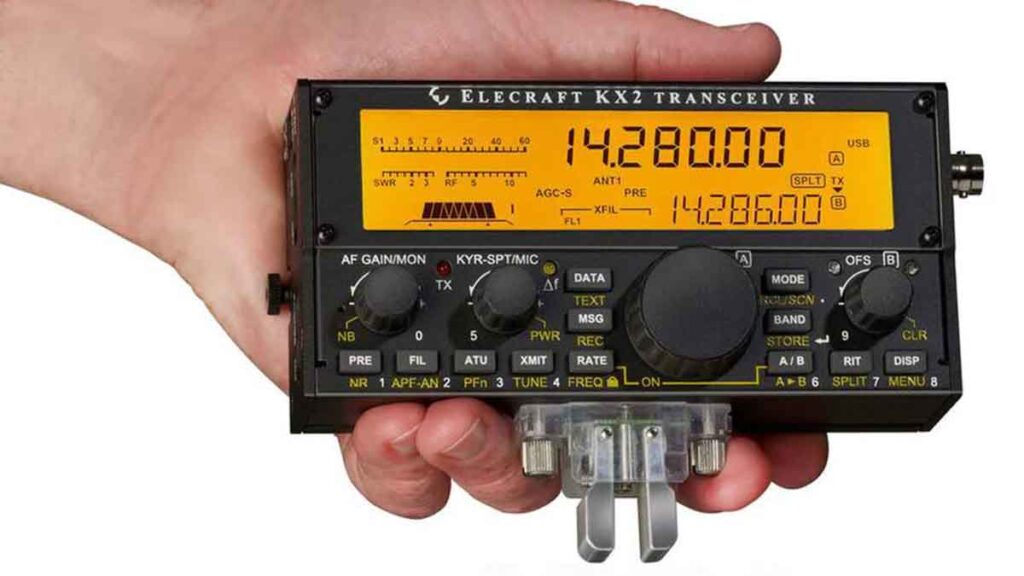
I am a QRP station (low power).
QRP Operation: Etiquette, Proper Suffix Usage, and Best Practices
Operating with low power—known as QRP operating—is one of the most rewarding challenges in amateur radio. A QRP station is defined as operating with a maximum output power of 5 W on CW (telegraphy) or 10 W on SSB (voice). For many operators, making distant contacts with QRP (or even QRPP – under 1 Watt) represents true mastery of operating skills.
Proper Callsign Usage When Operating QRP
When operating low power, **do not append /QRP directly to your callsign** (e.g., LZ2ZZZ/QRP). There are two critical reasons for this practice:
- Regulatory Compliance: The QRP indicator is not legally part of your issued callsign. In many countries, adding
/QRPas a callsign suffix is not authorized. Standard recognized suffixes typically include/P(portable),/A(alternative location),/M(mobile), or/MM(maritime mobile). - Practical Efficiency: Because you are transmitting with low power, your signal at the receiving end may be relatively weak. Appending extra characters like
/QRPto your callsign creates unnecessary clutter, making it significantly harder for the other operator to copy your actual callsign through noise or pileups.
How to Correctly Announce Your QRP Status
1. During the Course of a QSO
The ideal time to mention your operating power is during your exchange when describing your station setup:
PWR 5W ONLY or PWR IS 5 WATTS
2. Calling CQ as a QRP Station
If you wish to indicate that you are calling CQ as a QRP station, do so by separating the words rather than using a slash (/):
CQ CQ LZ2ZZZ LZ2ZZZ QRP AR
Note: Leave a slightly wider space between your callsign and the word „QRP“, avoiding the stroke/slash character (- . . - .).
3. Explicitly Seeking Other QRP Stations
If your goal is specifically to contact other low-power stations, frame your CQ call as follows:
CQ QRP CQ QRP LZ2ZZZ LZ2ZZZ QRP ONLY AR