HF Band DX Windows: Operating Long-Distance Stations Without Causing QRM
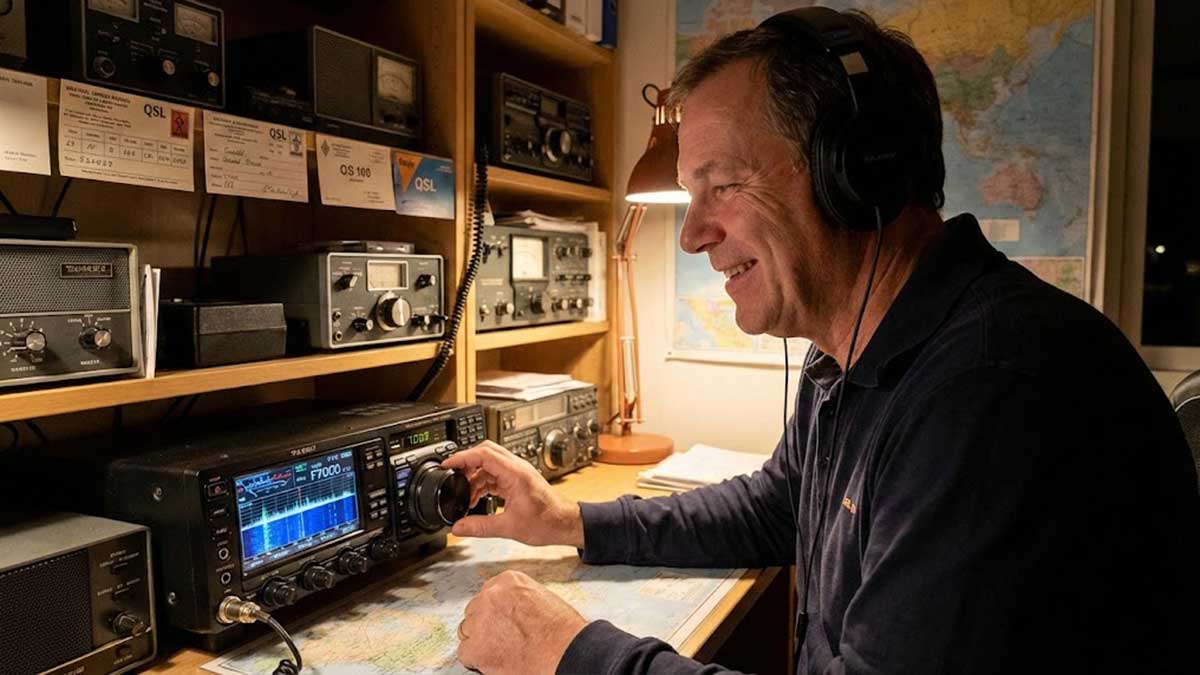
Ever since my early days in the hobby, I have been a devoted fan of DX operating. Perhaps it stems from one of my earliest contacts in 1978 — operating QRP (using less than 1 watt from a modified „Signal“ model remote control transmitter) from Veliko Tarnovo, Bulgaria, to New Caledonia. That single contact ignited a lifelong passion for amateur radio.
To preserve operational efficiency and assist stations in pulling out weak signals from distant continents, the International Amateur Radio Union (IARU) designates specific **DX windows**.
1. Official IARU DX Windows
IARU Region 1 (Europe, Africa, Middle East, and Northern Asia)
| Frequency Segment | Operating Mode |
|---|---|
| 3.500 – 3.510 kHz | CW |
| 3.775 – 3.800 kHz | SSB |
| 14.190 – 14.200 kHz | SSB (DXpedition Priority) |
IARU Region 2 (North and South America)
| Frequency Segment | Operating Mode |
|---|---|
| 1.830 – 1.840 kHz | CW |
| 1.840 – 1.850 kHz | SSB |
| 3.500 – 3.510 kHz | CW |
| 3.775 – 3.800 kHz | SSB |
| 7.000 – 7.025 kHz | CW |
| 7.175 – 7.200 kHz | SSB |
| 14.000 – 14.025 kHz | CW |
During daylight hours, 80m DX windows may appear clear of long-distance traffic. However, local contacts made early in the afternoon can generate severe interference (QRM) for stations located 1,000 to 2,000 km away along the terminator line (sunset boundary). Rule of thumb: Keep local traffic out of DX windows at all times!
2. Traditional and Unofficial DX Segments
Alongside official IARU spectrum allocations, practical experience over the decades has established several widely accepted unofficial DX windows:
| Frequency Segment / Center | Mode |
|---|---|
| First 5 kHz of any band | CW DX |
| 1.830 – 1.835 kHz | CW |
| 1.845 kHz | SSB |
| 7.045 kHz | SSB |
| 14.020 – 14.030 kHz | CW |
| 14.080 kHz | RTTY |
| 14.190 – 14.200 kHz | SSB |
| 18.075 kHz / 18.145 kHz | CW / SSB |
| 21.020 – 21.025 kHz / 21.290 – 21.300 kHz | CW / SSB |
| 24.895 kHz | CW |
| 28.020 – 28.025 kHz / 28.490 – 28.500 kHz | CW / SSB |
Conclusion: Refrain from local ragchewing within designated DX windows. These frequency slices are reserved for listening for rare DX stations — conducting routine local chats in these areas creates unnecessary QRM for operators attempting weak-signal DX contacts.