Business Cards – An Essential Attribute of Modern Communication and Protocol
In the digital age, where contact information is exchanged with a single tap on a screen, the classic business card not only retains its relevance—it solidifies its status as a supreme symbol of business etiquette, personal style, and respect.
1. Historical Overview
The history of business cards takes us back in time. In 3rd-century Ancient China, imperial officials were required to carry red paper cards bearing their name and title. Ordinary peasants were strictly forbidden from carrying them.

Europe rediscovered this practice in the 17th–18th centuries in France and Germany, where the so-called „visite“ cards became a hallmark of the aristocracy. By the 19th century, visiting cards were widely adopted, and along with them came the first strict protocol rules for exchange.

2. Image vs. Functionality
The evolution of business cards generally moves in two main directions:
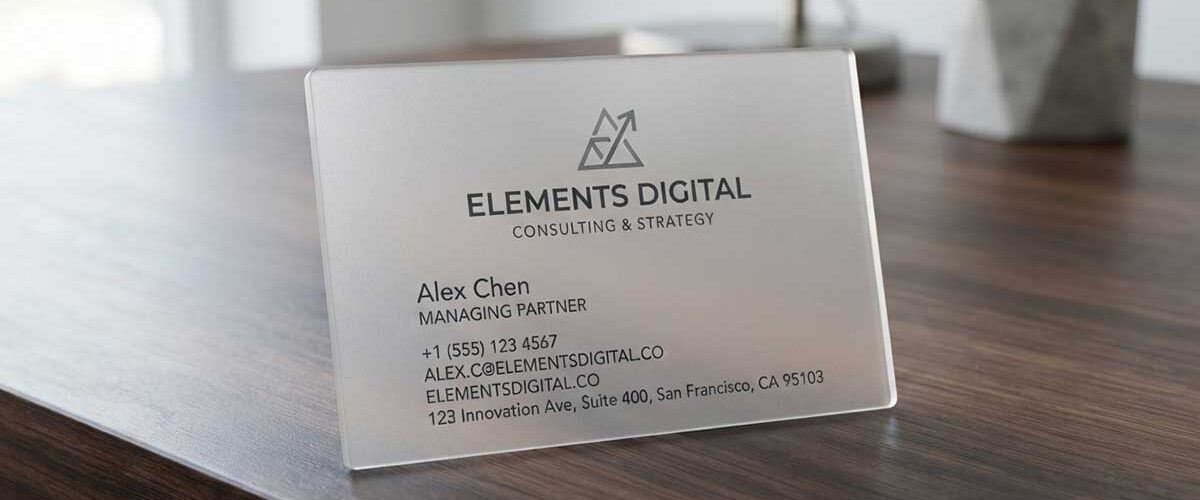
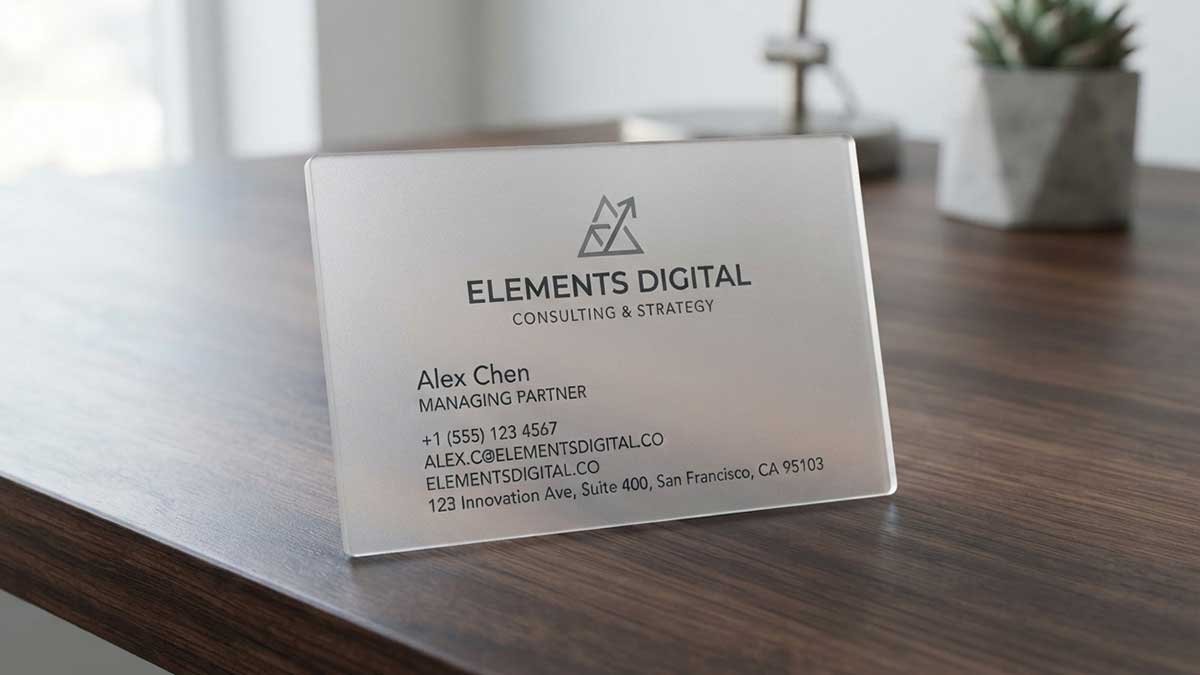
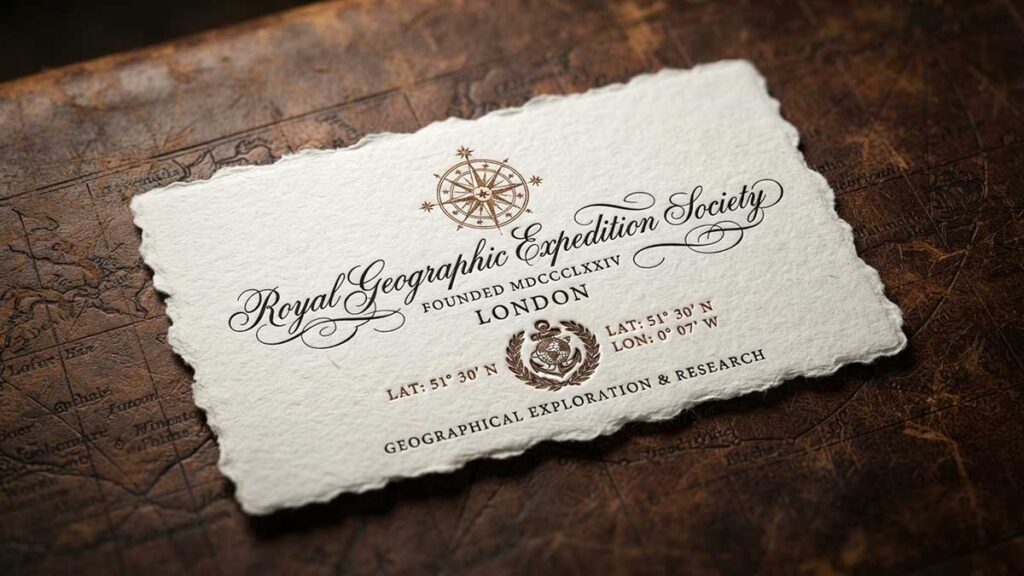
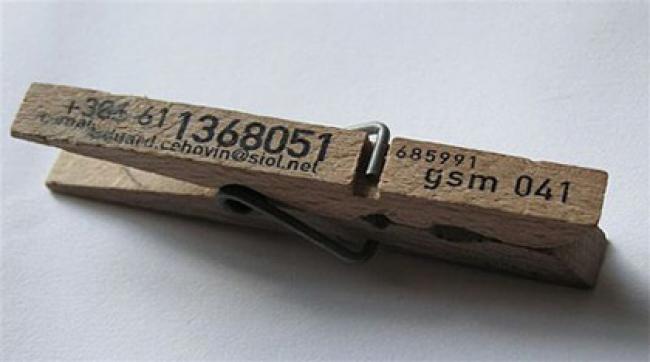
- Image Cards: Crafted from exotic materials (wood, metal, transparent polymer), featuring embossing, laser engravings, or custom shapes. Their primary goal is to project prestige.

- Functional Cards: Simple, clean, and highly legible. They deliver essential contact information quickly and clearly.
„The higher the status of a professional, the cleaner and more focused their business card is. Overly cluttered design confuses rather than informs.“
3. Classification of Business Cards
By Ownership and Purpose
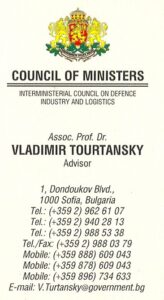
Diplomatic and Official
Strictly formal, listing only the name and title, usually omitting physical addresses. They frequently feature a national coat of arms or flag.
Corporate (Business)
Designed for general professional networking. Cleanly formatted with company logo, job title, office phones, and email.

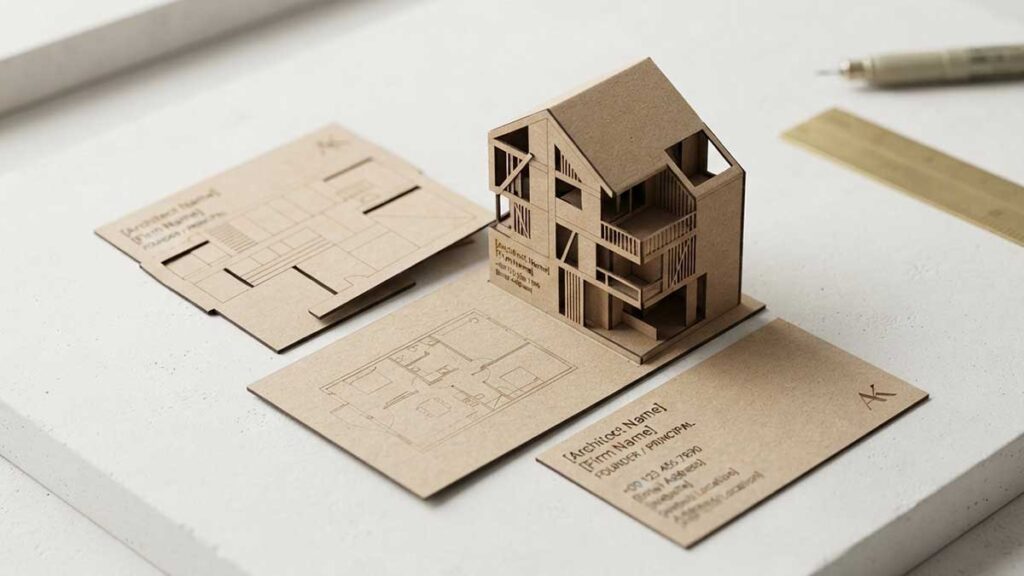
Personal and Creative
Offers complete artistic freedom. Ideal for creative fields—designers, artists, and architects.
Classification by Formats and Dimensions
| Size (cm) | Standard / Application | Key Characteristics |
|---|---|---|
| 9 x 5 cm | Bulgarian & Eastern European Standard | Fits perfectly into standard business card holders. |
| 8.5 x 5.5 cm | Euro Standard (Credit Card Size) | Fits conveniently into regular wallet slots. |
| 8 x 4 cm | Ladies / Spouses of Diplomats | Traditional aristocratic dimension. |
| 6 x 9 cm / 6 x 10 cm | Executive / Management (Non-standard) | Commands attention, though harder to store in regular holders. |
4. Rules for Design, Printing, and Typography
When preparing business cards for press, adhere to these fundamental printing standards:
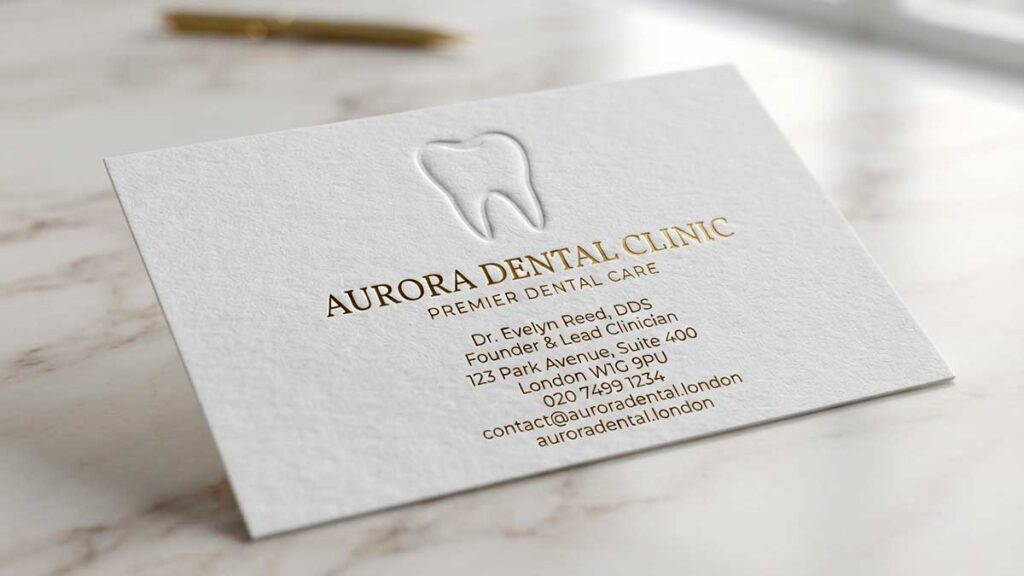
- Paper Stock: Heavyweight cardstock (minimum 250–300 gsm). Premium variants use foil, micro-lamination, or wood veneer.
- Fonts: Limit typography to 1–2 highly readable typefaces. Avoid overly small or elaborate calligraphy. All text must be converted to outlines/curves before exporting to PDF or EPS formats.
- Bleed & Safe Area: Maintain at least 3–5 mm safety margin between text elements and the trim edge.
- Double-sided Design: Keep essential information on the front side; reserve the back for handwritten notes, location maps, or a second language version.
5. International Phone Number Formatting Rules
According to international protocol guidelines:
- Always use the international prefix sign „+“ instead of „00“.
- In international notation, omit the leading zero from the area or mobile operator code.
- Correct: +359 88 555 1742 or +359 2 955 1742.
- Incorrect: +359 (088) 555 1742.
6. Exchange Protocol and Traditional French Abbreviations
A business card should be presented facing the recipient so it can be read immediately. Upon receiving a card, take a moment to examine it respectfully rather than immediately slipping it into a pocket.
In formal diplomatic correspondence or when delivering a card in absentia, traditional French abbreviations are written by hand in the lower-left corner:
| Abbreviation | French Term | Meaning / Purpose |
|---|---|---|
| p. f. | pour féliciter | To offer congratulations |
| p. f. N. A. | pour féliciter Nouvel An | To extend New Year greetings |
| p. r. | pour remercier | To express gratitude |
| p. c. | pour condoléance | To express condolences |
| p. p. c. | pour prendre congé | To take leave / say farewell |
References and Bibliography
- Bond, D. „Diplomatic Protocol and Etiquette“. Sofia: Sibi, 2012.
- Vasilev, G. „Printing Technology and Graphic Design of Publications“. Varna: Technika, 2018.
- International Protocol & Manners Association (IPMA). Business Card Etiquette Guidelines, 2021.
- Post, E. „Etiquette: The Business Card Protocol“. HarperCollins, 2017.