
Listening activity
Shortwave Listening (SWL): The First Step Toward Amateur Radio Mastery
Shortwave Listening (SWL) serves as a hands-on „apprenticeship“ in the amateur radio service. It is the most effective way for a beginner to observe on-air procedures, gain practical intuition regarding signal propagation, and lay a solid foundation for future transmit privileges.
1. Why Shortwave Listening is Essential
By monitoring experienced operators, an SWL absorbs operating etiquette directly from live exchanges. Active listening offers several distinct advantages:
- Practical Operating Knowledge: Beginners learn standardized call procedures, phonetics, and Q-codes, while learning to identify and avoid poor operating habits observed on air.
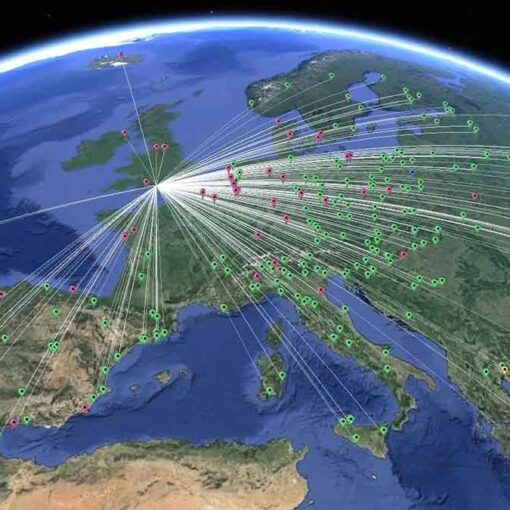
- Understanding Propagation and Antennas: SWLs observe firsthand how ionospheric conditions affect different HF/VHF bands and evaluate the performance of various antenna designs.
- Accelerated Morse Code (CW) Mastery: Listening to real-world telegraphy exchanges in live band conditions is one of the fastest ways to build CW decoding proficiency.
- Contest Participation and Awards: Shortwave listeners can compete in dedicated SWL categories in international contests and apply for prestigious operating awards by sending SWL QSL reports.
2. Obtaining an Official SWL Identifier from the CRC
To send official SWL QSL cards and enter organized contests, a shortwave listener registers with the Communications Regulation Commission (CRC):
Administrative Process:
Applicants submit a simple written request containing their personal identification details to the CRC. The regulatory body then assigns a personal SWL identifier (e.g.,
Applicants submit a simple written request containing their personal identification details to the CRC. The regulatory body then assigns a personal SWL identifier (e.g.,
LZ1-105), where the digit denotes the designated call zone.3. Connecting with Broadcast Radio Listeners
| Listener Category | Integration into Amateur Radio |
|---|---|
| Broadcast DXers | Enthusiasts who pursue long-distance reception of commercial AM/FM/SW broadcasts already understand basic wave propagation. They represent prime candidates for introduction to amateur radio, where their technical curiosity can find a broader outlet. |