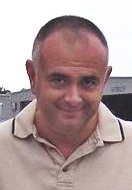
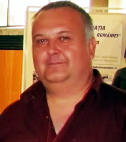
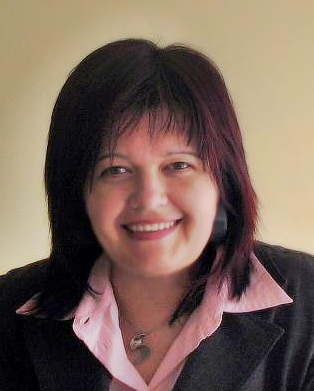
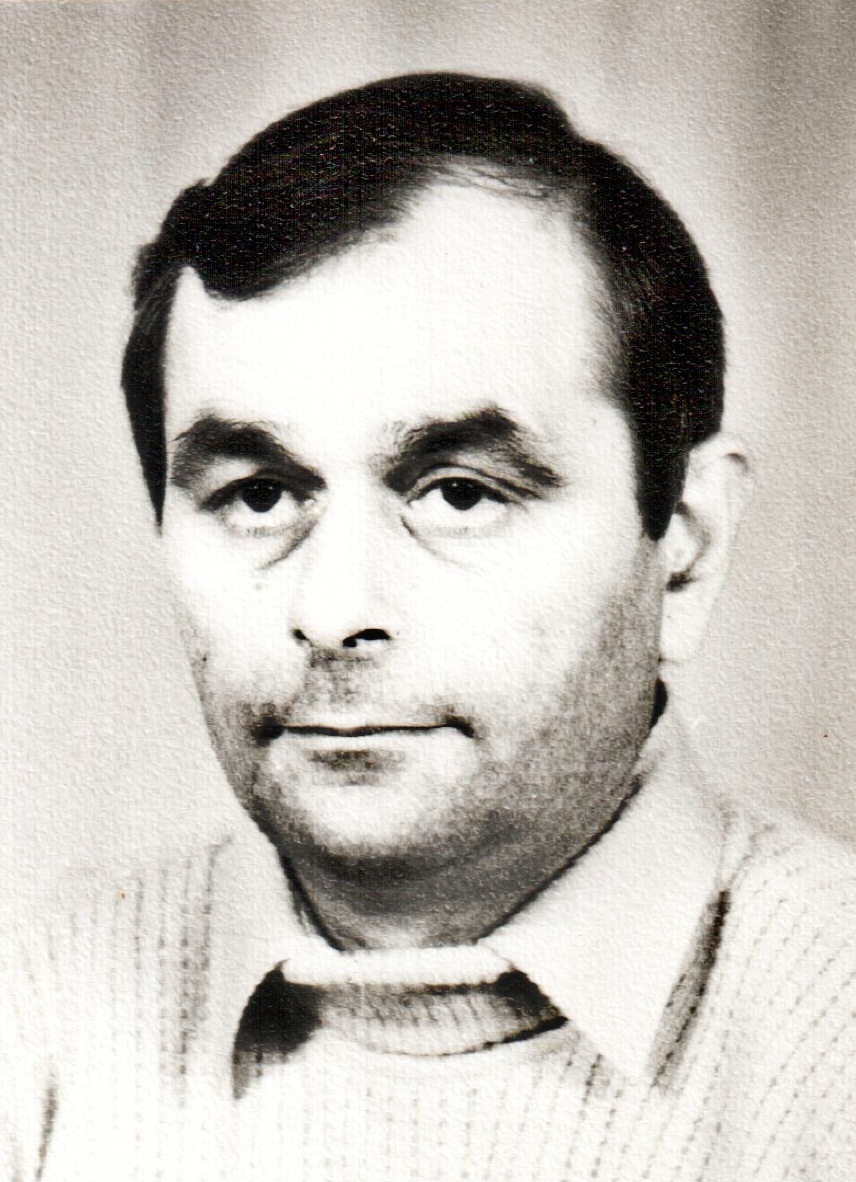
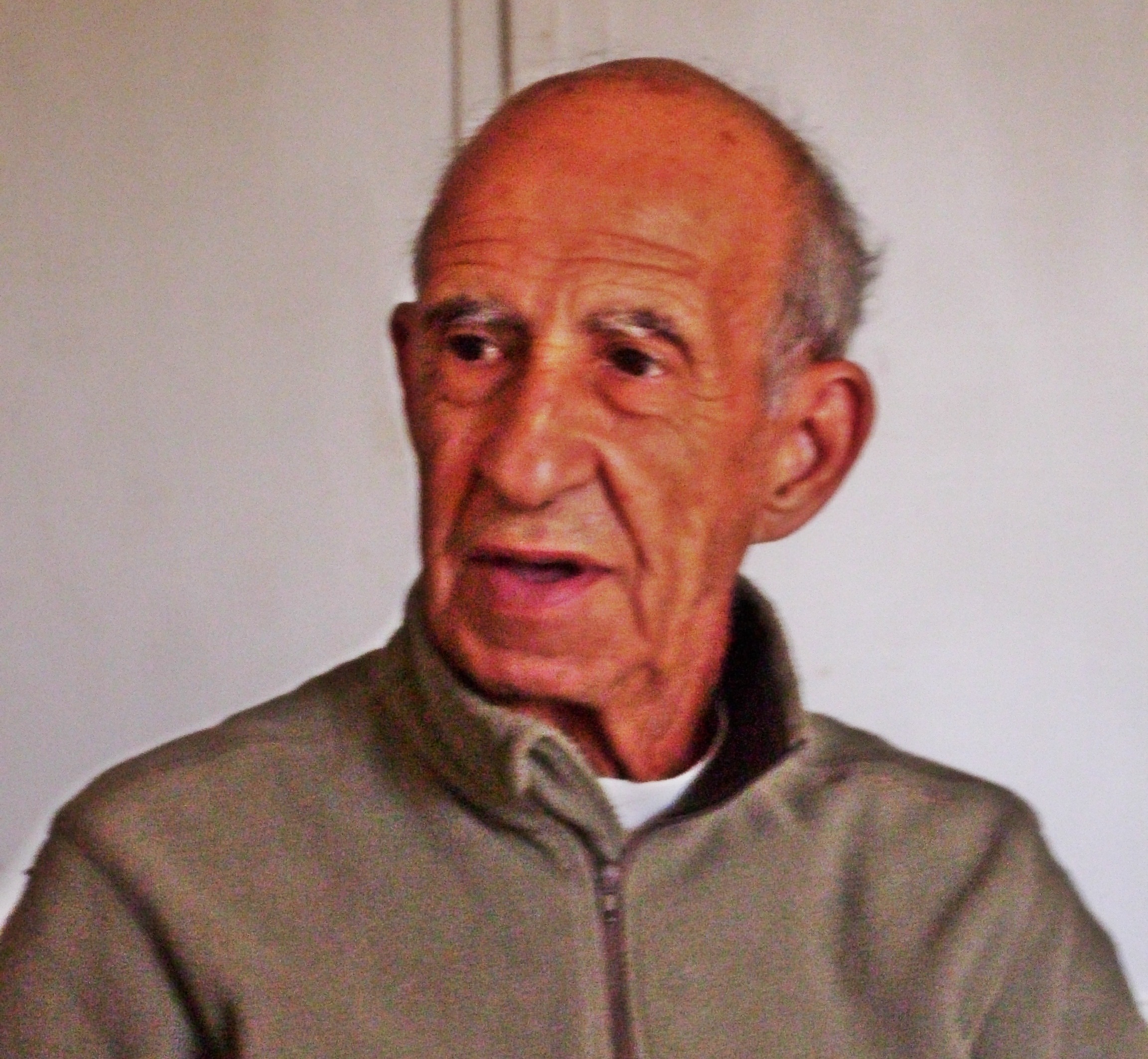
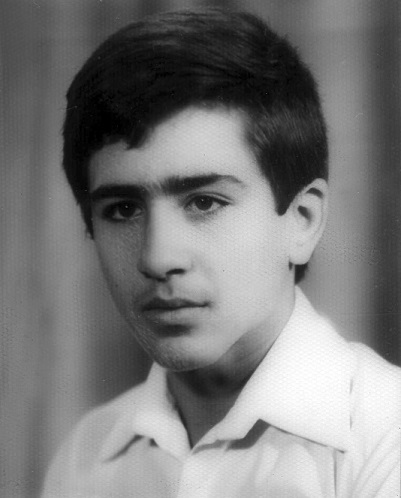
The beginning was around 1949, when training activities for radio operators began. Teachers were professional radio operators from TABSO at the airport in Oryahovitsa.
 Training of radio operators in Oryahovitsa. The photo is from 1952-54.
In May 1953, the amateur radio station LZ2KAF was opened with Boyan Adzharov (sk), who was a class “B”. At the beginning of 1954, Adzharov returned to his native Plovdiv region for a few years, and the LZ2KAF premises were sealed due to the lack of another operator with class “B” to take over the functions of the responsible person. In 1954, Strahil Bogoev LZ1BA, who was originally from the Pirin region and had passed the class “B” exam, arrived at the airport. The issuance of the class certificate and the documents for the responsible person of the station were slightly delayed, but at the beginning of 1955, LZ2KAF was back on the air. Bogoev was not idle during this time, with the help of the district radio club in Tarnovo, they built a new transmitter.
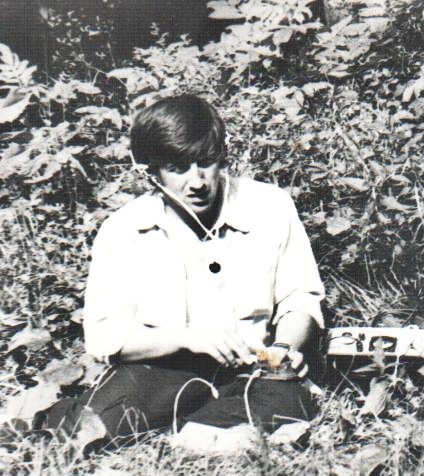
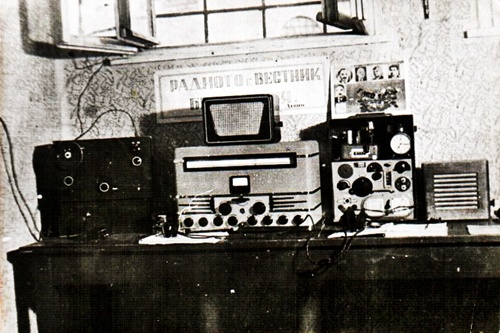 LZ2KAF 1955 to the left of the receiver is the seller
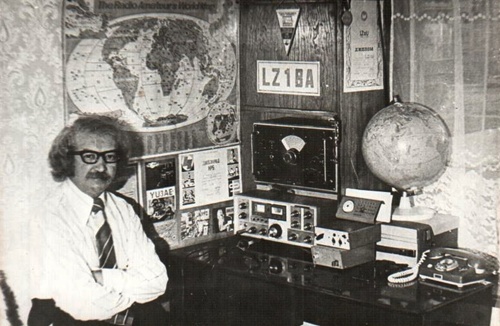 LZ1BA 1978
1958/59 the radio club became full-time and for A former military man was appointed as the chief, who introduced his own rules. The station’s equipment was replaced with a factory military one, or more precisely, the transmitter is “RSB-F-3” – with batteries and umformers, the receiver is “US-P”.
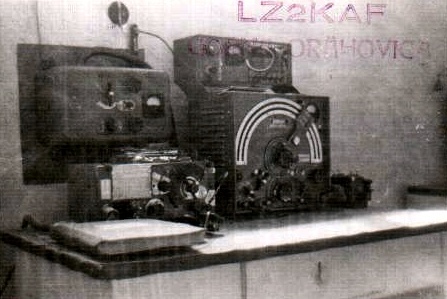 LZ2KAF 1961
The station set up in this way is not operational as for the needs of amateur connections. Despite the difficulty, there are operators at the station and connections are made almost around the clock. Most are students from the newly established /1959/ technical school of electrical engineering. The most active are Racho Kazakov, Ivan Dimitrov, Hristofor “FORI” Mihaylov/LZ2DW/, Pavlina Dzhipova – works on CW, Yordanka “Dasha”, Yordan Musliyski /LZ2EY (sk).
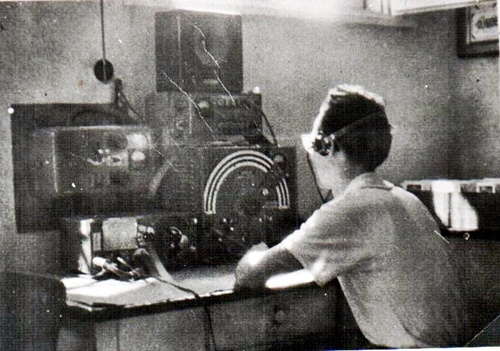 LZ2KAF op FORI
LZ2KAF existed like this until 1967, when all LZ2KAF operators moved to work on LZ2KLC – for those unfamiliar, the distance between the centers of the two cities was 2 km, between the outer houses then it was 600m, sidewalks on both sides of the road, and very regular motor transport every 15-20 minutes. So the head of the club was left alone and agreed to dismantle the transmitter for parts, and delivered the other parts needed to build a new transmitter in the classic VFO-BU-FD—FD-PA design. The entire construction of the chassis and the electrical part was supervised by Nikolay Granitsky /then 18 years old/ who is also the designer of this transmitter. Then a 250 watt final stage with GK71 was built. Everything was done manually – cutting with a hacksaw, filing, drilling holes and openings for the lamp bases with a manual non-electric drill. The district radio club gave us two KV-M receivers and a great competition began between the operators for a greater number of connections, for more DX.
Then a 250 watt final stage with GK71 was built. Everything was done manually – cutting with a hacksaw, filing, drilling holes and openings for lamp bases with a manual non-electric drill. The district radio club gave us two KV-M receivers and a great competition began between the operators for a greater number of connections, for more DX.
With the new “hammer” – that’s what we called the transmitter, things took off, we also began regular participation in international and domestic competitions, and achieved the first prizes. Especially for LZDXC, we regularly took a P-250 from the local communications unit.
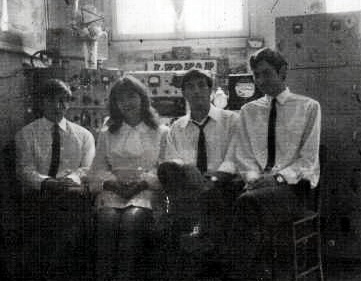
 LZ2KAF 1969 LZDXC -Todor LZ1WR and Stefan LZ2DB
In 1969, the most active on the air were Todor Papazov/LZ1WR,CT7AEQ/, Hristo Rachev/LZ2HG/, Lilyana “Lilly” Yordanova – working on CW and Stefan Krastev/LZ2DB/.
LZ2KAF – 1969 from left to right Stefan LZ2DB, YL Lilly, Hristo LZ2HG and Todor LZ1WR
In 1973, Hristofor Mihaylov /LZ2DW/ constructed an attachment to the “VOLNA-K” receiver and the “knocker” – that’s how we got a telegraph transceiver that contributed a lot to operational work during competitions. Around the end of 1974, with the purchase of a legal CW/SSB transceiver, we also appeared on SSB. After 1975, there was a strong increase in the number of operators at the station and the making of radio contacts around the clock. This may be due to the fact that after 1972, the head of the club was Ivan Enchev – an excellent organizer of various events in the club. Then for the first time and then repeatedly we moved with all the equipment of the radio station in the area of the Lyaskov Monastery, to a small house of a former television repeater. There was a ŽR pole that we extended to about 18 meters and installed an Inverted Vee ANT for 80/40,20/15 meters. The place was wonderful, without city electrical interference. Participation in many international competitions, making many DX QSOs, are the result of a series of youthful enthusiasm.
During its existence as a full-time club, the radio club in G. Oryahovitsa was primarily a training center for training radio operators, starting with elementary school students (grades 5-8), high school students, and training conscripts-radio operators for the army. A large number of these young people showed interest in amateur radio and became operators of the club station. Later, some of them lost interest and this activity remained a memory for them as a youthful hobby. For some, however, the “magic” of amateur radio became a lifelong hobby. Regardless of whether they began their initial training in this or another club, they were operators of LZ2KAF and are considered its graduates.
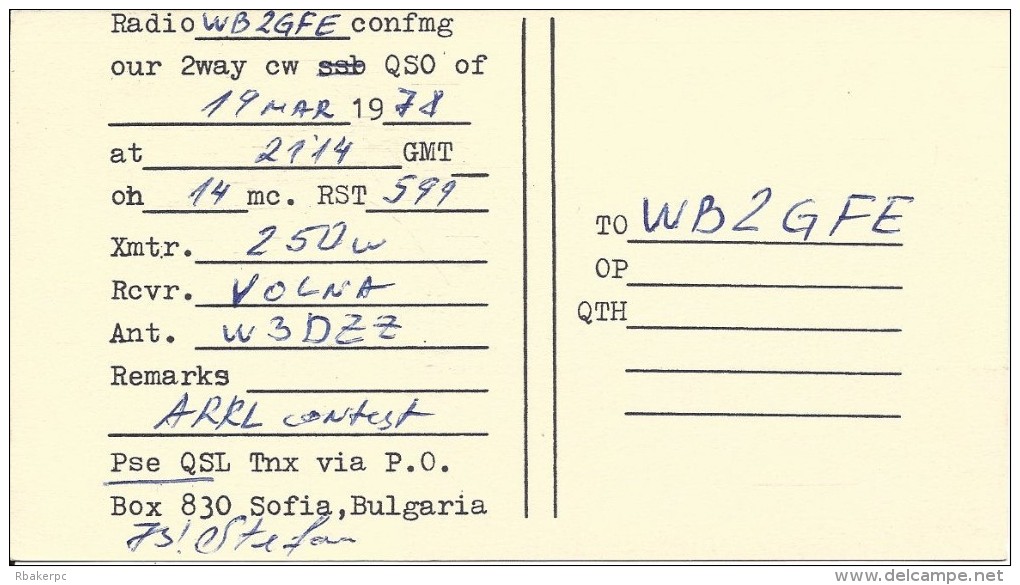
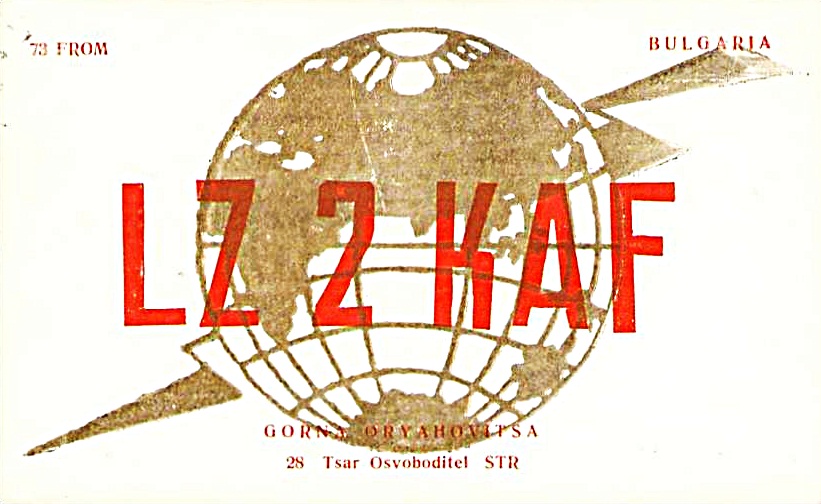
QSL back
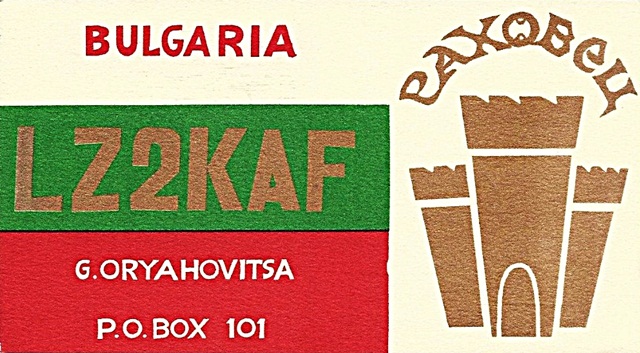
We had to prepare the design of this QSL in one night, because by chance someone managed to “break through” in the printing house of the Russian Space Agency. The project was made on A4 format with colored paper, on the right the fortress and the text were made by some artist-friend of someone in the club. At that time we had a hard time finding a typewriter with Latin letters for the text on the back. What you see is from the Internet – it was offered for 1$.
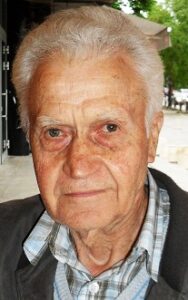
After Ivan Enchev – club manager is Stefan Krastev /1977-1979/, then there are Milan Genov/LZ2BN/, Balkov,
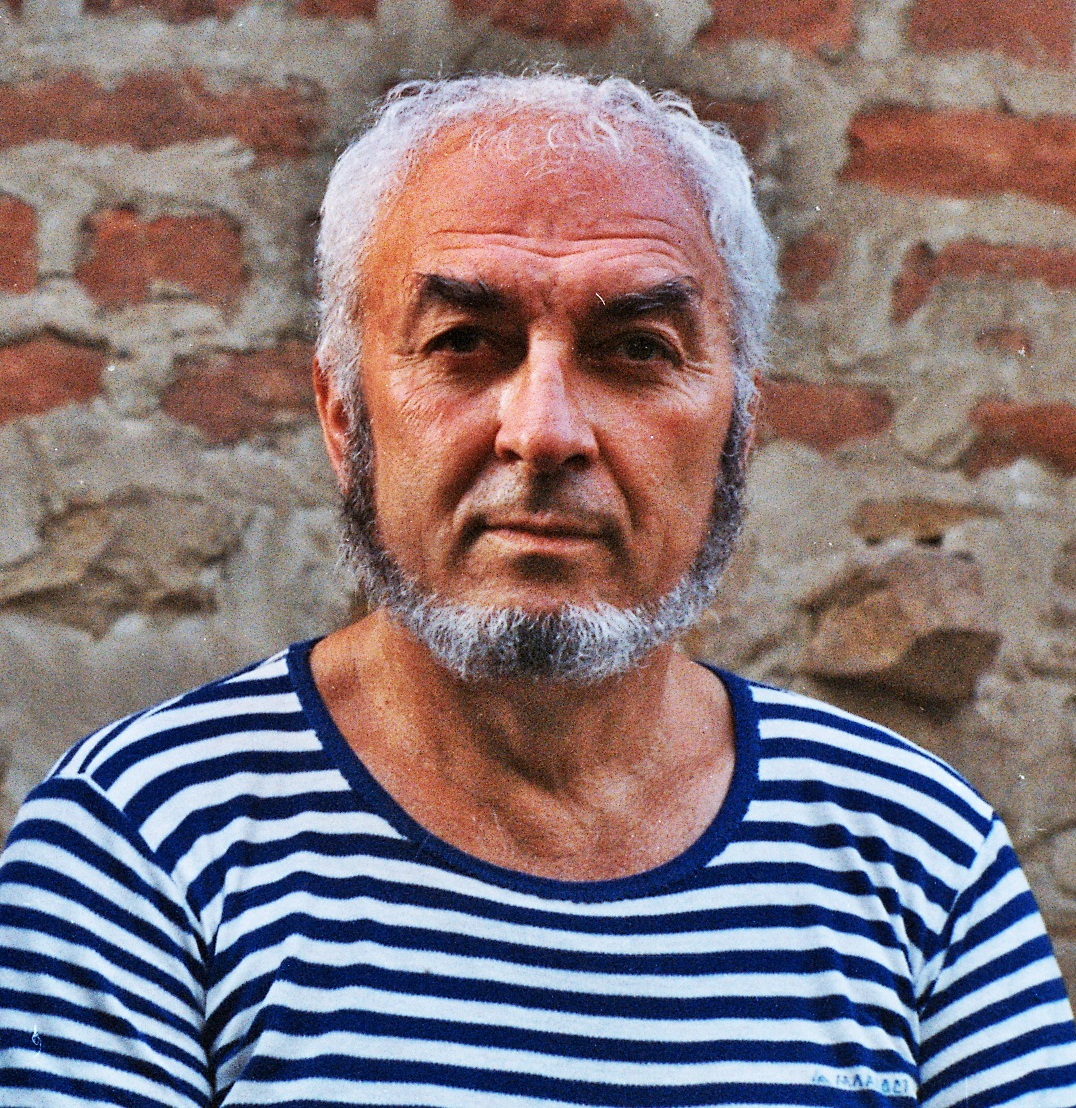
Crowns/ex LZ2WU/ and the last one was Mihail Bozgunov LZ2BK (sk)/ex LZ2LZ/.
The first personal amateur radio station in G. Oryahovitsa was owned by Dimitar Drachev LZ1BC(sk) for a period of 3-4 years / 1962-1965 ?/ with the initials LZ2BC.

Later around 1972/73 Kostadin Petkov LZ2HL built his own transmitter, and later a transceiver at 3.5 and 14 MHz according to the scheme of Chavdar Levkov LZ1AQ.
Under the guidance of Ivan Kovandzhiev – a teacher, training in “fox hunting” is conducted with equipment donated by the Orkage radio club.
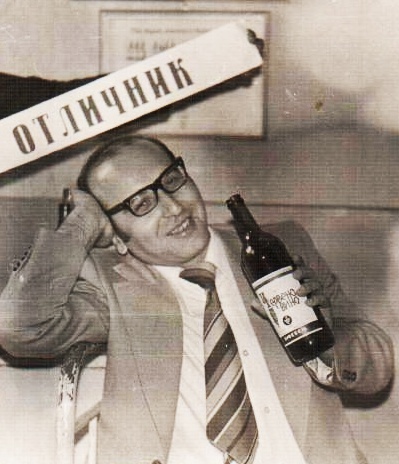
During its existence as a full-time club, the radio club in G. Oryahovitsa was primarily a training center for training radio operators, starting with students in elementary grades /5-8th grade/, secondary school students and training conscripts-radio operators for the army. A large part of these young people showed interest in amateur radio and became operators of the club station. Later, some of them lost interest and this activity remained a memory for them as a youthful hobby. For some, however, the “magic” of amateur radio became a lifelong hobby. Regardless of whether they began their initial training in this or another club, they were operators of LZ2KAF and are considered its graduates.
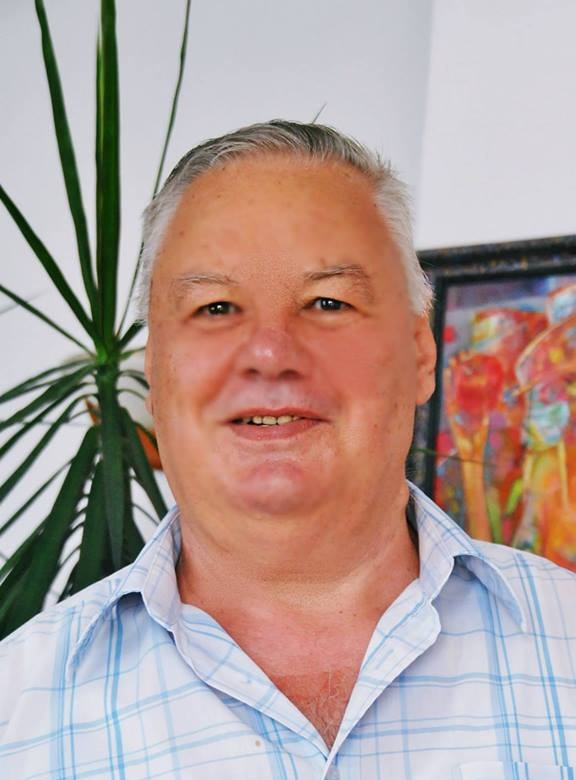
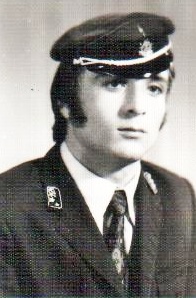

LZ2BH Borislav Penkov Borisov, Pavlikeni

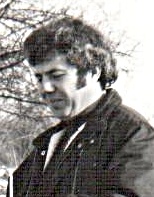
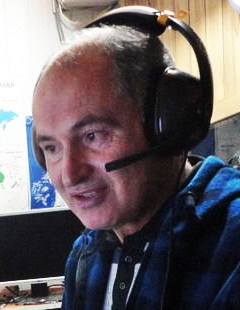
LZ2BN Milan Genov Milanov village of Dolna Lipnitsa